
THE ARCHIVE
Validated technical blueprints for nocturnal biological optimization.
Protocol 01: Ocular Recovery
The Deep Work Tax
For the after-hours creator, the eye is the primary interface. However, 4 AM deep-work sessions come with a biological tax: Retinal Burnout. Prolonged exposure to high-energy visible (HEV) blue light from high-resolution displays triggers oxidative stress in retinal cells and suppresses the pineal gland's melatonin production. This isn't just "eye strain"—it’s a hardware-level disruption of your circadian rhythm.
Phase 1: Hardware-Level Mitigation (The Shield)
Before addressing recovery, you must mitigate the damage. Standard "Night Mode" software is insufficient for high-intensity nocturnal sprints.
Tactical Eyewear: Deploying clinical-grade red-lens glasses (targeting the 400-550nm spectrum) is essential to block the wavelengths that inhibit melatonin synthesis.
The Goal: Maintain a biological "Signal of Darkness" while your cognitive systems remain in peak performance mode.
Phase 3: Thermal Management (The Surface)
Recovery extends to the environment. Excess heat during sleep disrupts REM cycles and triggers inflammatory responses.
Technical Surface: We utilize Grade 6A Mulberry Silk as a thermal regulator. Unlike synthetic fabrics that trap heat, silk’s natural protein structure allows for advanced moisture-wicking and thermal harmony, keeping the body in the "Goldilocks Zone" for deep sleep.
Hardware-Level Retinal Reset for 12-Hour Sprints
Lab-Tested Hardware
To implement Protocol 01, we recommend the following bench-tested equipment:
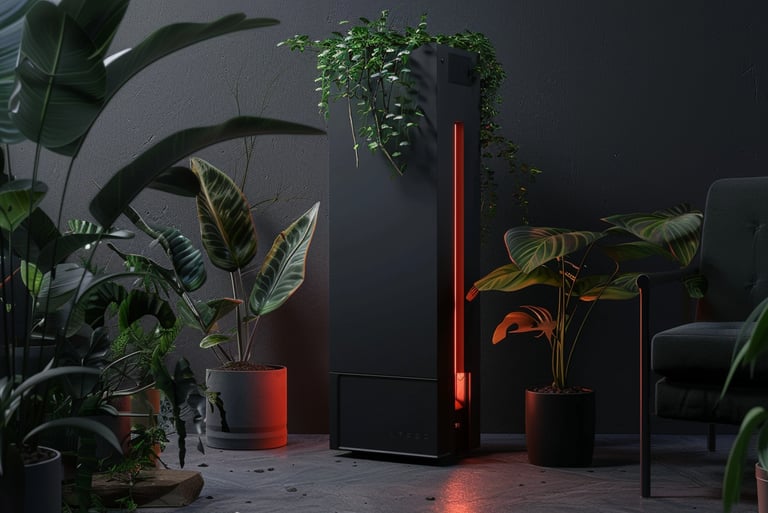
Red Light Arrays: We deploy the Mito Red Light series for clinical-grade photobiomodulation.
Thermal Surfaces: For optimal sleep-cycle thermal regulation, we utilize Promeed Mulberry Silk systems.
Ocular Shields: We are currently peer-reviewing Ra Optics and Bon Charge for the next Archive update.


SYSTEM STATUS: Protocol 02 (Neural Persistence) is currently processing. Expected Decryption: Q1 2026
Phase 2: Cellular Restoration (The Reset)
To reverse oxidative stress, we deploy Photobiomodulation (PBM). Specific wavelengths between 630nm and 800nm (Red and Near-Infrared) penetrate the retinal tissue to target the mitochondria.
Mitochondrial Boost: Red light stimulates the cytochrome C oxidase enzyme, accelerating ATP production and promoting cellular repair.
The Protocol: Deploy a targeted red light session for 10 minutes post-sprint. Research indicates this helps stabilize retinal thickness and reduces the buildup of metabolic waste.


Initialize Secure Connection
The Lab is always open. For partnership inquiries or protocol data requests, reach out below.
Secure UPlink
lab@circadiansync.io
© 2026. All rights reserved.